
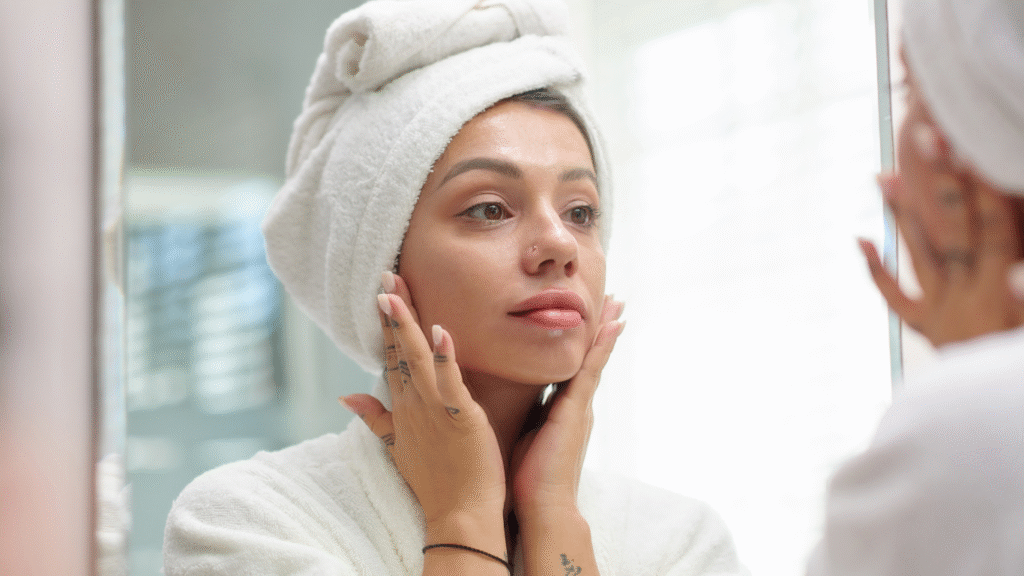
When do you put on sunscreen in skincare routine
Proper sunscreen timing comes down to the principle of UV exposure. Sunscreen is designed to be the last step in your topical morning routine before makeup, or the daytime sunscreen can be worn as the final protective layer. The key idea is to apply sunscreen after all your serums, moisturizers, and oils have absorbed, creating a protective film that blocks UV radiation without disrupting the binding interactions between products. If you wear makeup, you’ll typically apply sunscreen before makeup or find moisturizer-sunscreen hybrids that simplify the order.
For a healthy, simple morning routine, a reliable rule is: cleanse, tone (optional), treat, moisturize, sunscreen, then makeup. If you’re testing layering with active ingredients like vitamin C, azelaic acid, or niacinamide, apply sunscreen last to maintain coverage and efficacy. To this end, consider reading more on skincare layering strategies in our blog at https://smilerxnj.com/blog/ and by reviewing our homepage at https://smilerxnj.com.
In addition to adhering to the layering order, the exact moment you apply sunscreen depends on your product textures. Lightweight gels or serums may sink in quickly, while richer creams may need more time to absorb before sunscreen. The general best practice is to wait 1–2 minutes after applying your last moisturizer or treatment before tacking on sunscreen to ensure it can form a uniform protective film. This approach helps prevent pilling and ensures even coverage across the face. For more context on sun protection guidelines, refer to the American Academy of Dermatology (AAD) resource linked here: AAD Sunscreen Tips.
We also recommend checking out credible guidelines on sun safety from authoritative sources like the CDC and FDA. The CDC emphasizes year-round sun protection, while the FDA provides important details about sunscreen labeling, SPF, and safety. Integrating these external insights into your routine helps you stay informed and confident about your choices. CDC Sun Safety and FDA Sunscreen Guidance provide a solid evidence base that complements our practical advice on timing and layering.
To start experimenting with real-world routines, you can explore sample morning sequences on our blog and then refine them to your skin’s response. If you want to see how these routines translate into daily life, a glance at user-friendly charts and examples in our articles may inspire your own regimen. For direct access to our product recommendations and routines, visit the Smile Pharmacy website.
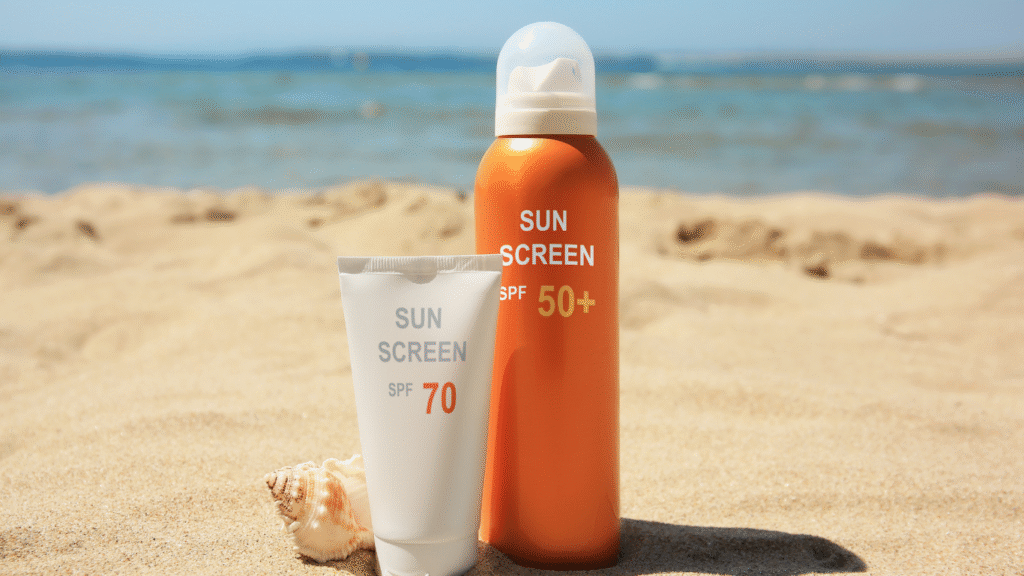
How to layer sunscreen with other products
Layering is the art of stacking skincare products in the correct order so each one can work effectively. In the morning, after cleansing and applying any toners or acids, you should apply vitamin C or other antioxidants first, followed by a moisturizer, and then sunscreen. If you’re using a retinoid product, you may want to wait 20–30 minutes after application before sunscreen to avoid irritation and to allow the actives to penetrate.
When layering sunscreen with makeup, you can apply sunscreen as your final protective layer, then let it set for 3–5 minutes before applying primer or foundation. For a quick-start checklist, refer to our 5-step routine table below and see how it matches your current morning regimen.
To visualize layering, consult the following quick reference table showing a typical morning routine order:
| Product Type | Order | Notes | Example |
|---|---|---|---|
| Cleanser | 1 | Preps skin | Foaming cleanser |
| Toner (optional) | 2 | Balances pH | Alcohol-free toner |
| Treatment Serum | 3 | Active ingredients | Vitamin C serum |
| Moisturizer | 4 | Hydrates | Lightweight moisturizer |
| Sunscreen | 5 | Protection | Broad-spectrum SPF 30+ |
Choosing the right sunscreen for daily use
Choosing sunscreen depends on skin type, lifestyle, and preferences. For everyday wear, a broad-spectrum sunscreen with SPF 30 or higher is a reliable baseline, though some individuals may opt for SPF 50+ for extended outdoor exposure. For sensitive or reactive skin, mineral/physical sunscreens containing zinc oxide or titanium dioxide can be gentler and less likely to irritate.
If you’re concerned about white casts on deeper skin tones, look for formulations with tint or micronized minerals. A well-formulated sunscreen should be water-resistant if you’ll be sweating or swimming. For deeper learning about SPF and product formulations, you can consult authoritative sources linked earlier and our internal product guides at the Smile Pharmacy website.
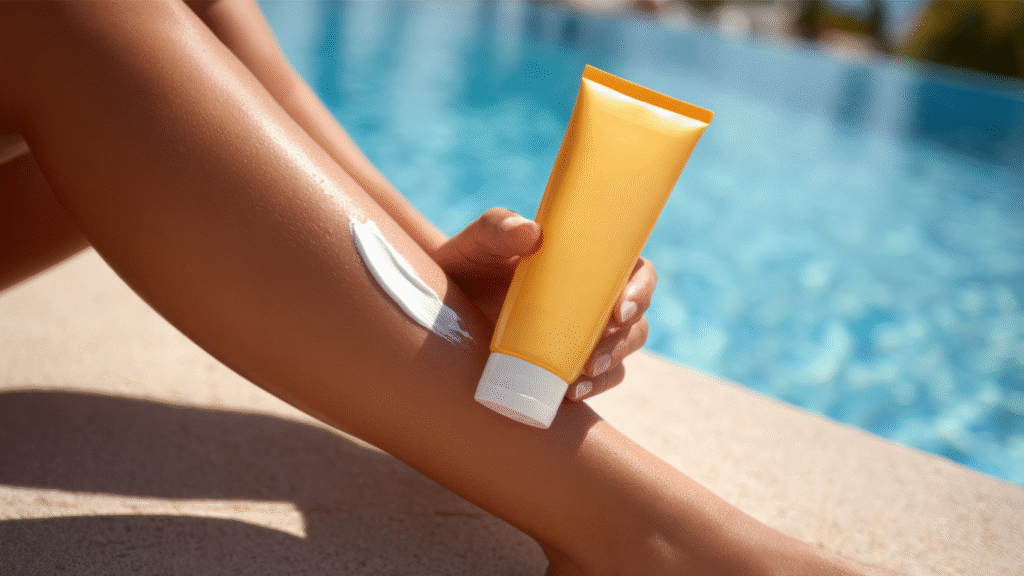

To tailor your routine to your climate and schedule, you might adjust your sunscreen type seasonally or based on your outdoor habits. If you commute outdoors, consider a daily moisturizer with SPF integrated or a dedicated sunscreen layer that travels well in your bag. A practical reminder: even on short trips outdoors, you should protect exposed skin, especially ears, neck, and the back of hands.
Our blog contains a variety of case studies and real-life routines to help you decide what works best for you.

Common mistakes and myths about sunscreen timing
Many people assume sunscreen is only for sunny days. The truth is solar radiation is present year-round, and UV exposure occurs even on overcast days. Another mistake is applying sunscreen after makeup, which can compromise coverage or cause pilling. Always apply sunscreen as the final step before makeup, after your moisturizer and any serums. Some believe sunscreen is unnecessary on cloudy days; however, UV radiation penetrates clouds.
Applying sunscreen each morning, regardless of weather, is a simple habit that gives you consistent protection. It’s also important to choose a broad-spectrum product and to reapply regularly if you’re outdoors for extended periods. For more in-depth debunking of common sunscreen myths, consult reputable sources and our own explainers on the blog.
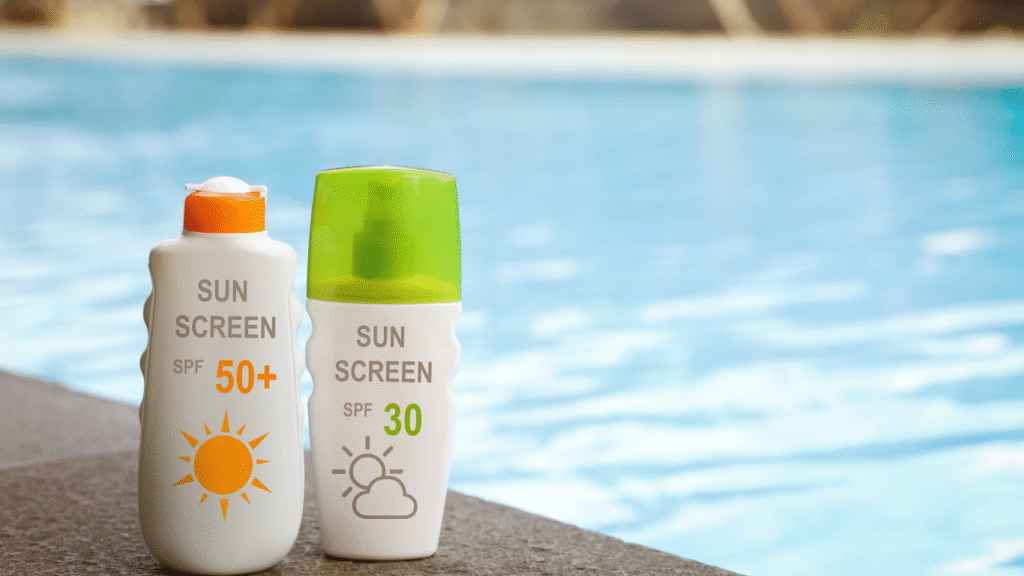
For a quick reference on common misconceptions and best practices, check our comparison tables and practical tips below, and feel free to browse our internal links to https://smilerxnj.com/blog/ for deeper dives into individual steps and product recommendations.
Q&A: People Also Ask about sunscreen timing
- Q: Do I need sunscreen every day if I stay indoors?
A: Yes. UVA rays can penetrate windows, and even indoor lighting can expose skin to UV rays over time. The routine is simple: moisturize, sunscreen, and makeup (if you wear makeup). Consistency is key to long-term protection. - Q: Can sunscreen replace moisturizer? Is it enough on its own?
A: Sunscreen is essential, but it’s not a stand-alone moisturizer. Apply a lightweight moisturizer compatible with your sunscreen to maintain skin hydration and barrier function. For dry or sensitive skin, pair sunscreen with a hydrating base so you still have a protective layer without sacrificing comfort. - Q: How often should I reapply sunscreen during a typical workday?
A: If you’re indoors and not sweating, reapply every 2–3 hours or as you reapply makeup. If you’re outdoors, sweating, or swimming, reapply every 2 hours or more often if needed. Always reapply after towels or water exposure. - Q: Which is better for my skin, chemical or mineral sunscreen?
A: It depends on your skin, lifestyle, and preferences. Chemical filters tend to feel lighter on the skin, while mineral sunscreens offer a barrier that can be gentler for sensitive skin. If you have a history of irritation, minerals might be a safer option. Consider testing both types on small patches and monitoring for comfort, wear time, and coverage. - Q: Can wearing sunscreen cause breakouts?
A: Sunscreen can cause breakouts if the formula is heavy or occlusive for your skin type. Look for non-comedogenic formulas, oil-free options for very oily skin, or water-based sunscreens for combination skin. Patch-test new products and gradually increase usage to monitor your skin’s response. - Q: Should I wear sunscreen on cloudy days or during winter?
A: Absolutely. UVA and UVB rays can still damage skin on cloudy days or winter months. Consistency is crucial for photoaging prevention, so keep a daily sunscreen routine year-round. - Q: How do I choose SPF and water resistance for daily life?
A: For daily urban living, SPF 30+ with broad-spectrum protection is typically sufficient. If you spend significant time outdoors or near water, choose SPF 50+ and a water-resistant formula to maintain protection during sweating or swimming.
For more Q&A, explore our detailed FAQ sections in the blog and internal product guides at https://smilerxnj.com/blog/ and our homepage for easy navigation. If you’re seeking a practical, science-backed routine, this guide is designed to be your starting point, with further deeper dives available on our main site.
Practical starter routine with a sun-friendly schedule
Here’s a practical 4-week starter routine to help you implement these tips without overwhelming your skin. Week 1 focuses on consistency; Week 2 adds antioxidants; Week 3 introduces retinoids if appropriate; Week 4 refines sunscreen choices with your climate. Each week features a suggested sunscreen type (chemical vs mineral) to help you compare and choose what feels best. For an at-a-glance plan, see the table below and adapt to your needs.
| Week | Focus | Morning Steps | Sunscreen Type | Notes |
|---|---|---|---|---|
| Week 1 | Consistency | Cleanse → Toner (optional) → Moisturize | Broad-spectrum SPF 30+ | Test for 1–2 weeks |
| Week 2 | Antioxidants | Cleanse → Antioxidant Serum → Moisturize | SPF 30+ | Monitor absorbent time |
| Week 3 | Active Treatments | Cleanse → Treatment (e.g., retinoid) → Moisturize | SPF 30+ | Wait 15–30 min before sunscreen |
| Week 4 | Routines Refinement | All steps with Sunscreen | BAR SPF 30+ or 50 | Adjust based on climate |
For more detailed routines and product recommendations, browse our internal guides at https://smilerxnj.com/blog/ and check the main site for shop-ready options. We also provide seasonal adjustments to help you maximize sun protection throughout the year.

Quick-start checklist for your daily sunscreen routine
- Identify your skin type and select a broad-spectrum SPF 30+ sunscreen suitable for your skin.
- Apply after moisturizer and prior to makeup.
- Choose a sunscreen that is compatible with your existing products to reduce pilling and improve feel.
- Reapply according to exposure: at least every 2 hours outdoors, or after swimming or sweating.
- Pair with protective clothing and hats for enhanced protection.
For more tips on using sunscreen effectively, check out our internal resources and the authoritative external sources cited earlier. If you’re ready to upgrade your sun protection, browse our recommended products on the main site or the blog for detailed reviews and comparisons.
Author bio
Author: Jane Doe, Senior Skincare Writer at Smile Pharmacy. With a background in dermatology communications and years of experience translating science into practical skincare advice, Jane helps readers build routines that protect and enhance skin health. This article reflects her commitment to evidence-based, easy-to-follow guidance.
Organization: Smile Pharmacy, Address: 1110 Hamilton Blvd, South Plainfield, NJ 07080, USA. Email: info@plainfieldrx.com, Phone: +1 908 756 3232. For more author contributions and skincare insights, visit https://smilerxnj.com.
Conclusion and strong call-to-action
In summary, the best time to apply sunscreen in your skincare routine is after you’ve applied your serums and moisturizers and before makeup, or as the final protective layer in your daytime regimen. This timing ensures complete protection without compromising product absorption or makeup wear.
Remember to choose a broad-spectrum SPF 30+ sunscreen that suits your skin type and lifestyle, and to reapply regularly when outdoors. For more resources, product recommendations, and expert tips, explore our homepage at https://smilerxnj.com and our blog at https://smilerxnj.com/blog/. Join thousands of readers who trust Smile Pharmacy for practical, science-backed skincare guidance and timely sun-protection strategies.