
How much does a pharmacy delivery driver make
How much does a pharmacy delivery driver make is a question that many people ask as more pharmacies embrace home delivery to increase accessibility for patients.
This long-form guide dives deep into the earnings landscape, clarifies pay components, and shows how drivers can maximize their income while delivering essential medications. If you are researching this topic for a career move or business planning, you can also explore related resources on SmileRxNJ Blog or learn more at Smile Pharmacy.

How much does a pharmacy delivery driver make
The exact earnings for a pharmacy delivery driver depend on several factors, including geographic location, employer type, schedule (full-time vs part-time), tips, mileage reimbursement, and benefits.
In general, the pay model combines a base hourly wage with per-delivery incentives, mileage reimbursements, and sometimes tips from customers. This structure mirrors similar roles in e-commerce and grocery delivery but is often influenced by the pharmacy setting, which can add requirements around handling medications, maintaining patient privacy (HIPAA considerations), and ensuring timely deliveries for vulnerable populations.
For context on pay benchmarks, the U.S. Bureau of Labor Statistics provides a broad framework for delivery-related roles under the Driver/Sales Workers and Truck Drivers category, and it’s worth reviewing their published wage ranges as a baseline. See https://www.bls.gov/ooh/sales-and-service/drivers-sales-workers.htm for the official OOH guidance.
Additionally, reputable salary portals like PayScale and ZipRecruiter show current regional variations that reflect real-world pay data across companies such as CVS, Walgreens, Rite Aid, and independent pharmacies. For a comprehensive read, you can also review articles on SmileRxNJ Blog.
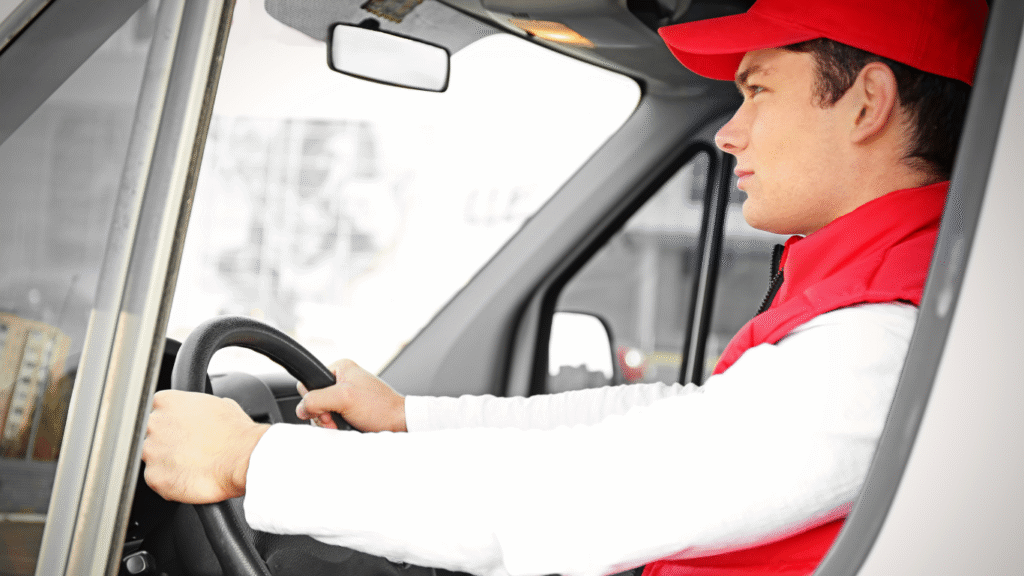
Several drivers report that base pay ranges from roughly $14 to $22 per hour nationally, with regional variances. In high-cost areas like the Northeast or coastal cities, experienced drivers may see higher hourly rates or additional incentives to offset living costs.
Conversely, in rural areas, pay might be lower but with additional mileage compensation and flexible scheduling. The following sections break down the primary pay components and factors that influence earnings, including how regional differences, employer types, and tips impact total compensation. For readers looking to compare options, we include internal links to our main domain at Smile Pharmacy and a dedicated blog page at SmileRxNJ Blog.
Pay components and typical ranges
Most pharmacy delivery roles combine:
- Base hourly wage: The core pay, often aligned with minimum wage laws and adjusted for experience and location.
- Delivery incentives: Per-delivery or per-mile bonuses that reward efficiency and timeliness.
- Mileage reimbursement: A fixed per-mile rate designed to offset vehicle wear and fuel costs.
- Tips: Customer gratuities that can significantly boost take-home pay, especially in busy market areas or during peak flu/cold seasons when demand rises.
- Benefits and paid time off: Some employers offer health insurance, retirement plans, or paid time off that add value beyond cash wages.
These components combine to form total earnings, and the mix can vary by company policy and regional labor markets. External sources indicate pay ranges that reflect these components in practice.
For a more formal breakdown, see the U.S. Bureau of Labor Statistics and salary aggregation sources linked above.
The pay landscape for pharmacy delivery drivers
In many pharmacies, the pay landscape is shaped by whether the employer is a large chain, a regional chain, or an independent pharmacy.
Large chains may offer standardized pay bands, more predictable scheduling, and more formal benefits packages, while independents might provide more flexible hours and potential for higher per-delivery tips but with variable scheduling.
A number of drivers report that part-time roles can offer flexibility but may come with lower overall take-home pay after benefits and taxes. Full-time drivers typically receive a steadier base wage, more consistent mileage reimbursement, and access to health benefits. For additional context and verification on pay patterns, refer to external analyses on PayScale and ZipRecruiter, as well as the BLS framework cited earlier. For those exploring career options within the pharmacy sector, internal resources on SmileRxNJ Blog can provide practical guidance and real-world scenarios.

Regional pay variation
Regional wage differences arise from cost of living, demand, and competition among employers. Markets in major metropolitan areas often pay higher hourly rates but also have higher living costs, while rural areas may compensate with better mileage reimbursements or broader delivery windows. For a better sense of regional differences, see the regional pay tables in our upcoming comparison sections and compare with public data from BLS and industry salary databases linked above.
To facilitate comparisons, we present three concise tables later in this article showing pay ranges by region, by employer type, and by compensation components. These tables help illustrate how geography can tilt overall earnings. If you want to explore these topics in more depth, visit our main domain at Smile Pharmacy or check the blog for practical breakdowns at SmileRxNJ Blog.
How to maximize earnings as a pharmacy delivery driver
Maximizing earnings goes beyond just the hourly rate. Drivers who optimize routes, reduce idle time, and leverage approved mileage programs can significantly increase take-home pay. Here are practical strategies:
- Choose shifts with higher demand times (lunch, dinner, peak pharmacy hours) to maximize per-delivery incentives and tips.
- Track mileage and fuel efficiency to maximize mileage reimbursement and reduce costs.
- Develop a reliable delivery protocol that minimizes failed deliveries and delays, which can influence tips and employer incentives.
- Engage in part-time or overtime opportunities when available to increase weekly earnings without sacrificing work-life balance.
- Maintain patient-facing professionalism, HIPAA compliance, and safe driving practices to earn positive customer feedback and higher tips.
Industry analyses show that the combination of base pay, per-delivery incentives, and tips can yield total earnings in a broad range, and the most successful drivers often balance several revenue streams. For authoritative data, consult the linked sources and compare with regional reports on the SmileRxNJ Blog.
Comparison: pay by employer type
To help readers compare potential earnings, the following table outlines typical pay structures you might encounter across employer types. Note that exact figures depend on location and company policy.
| Employer Type | Base Pay Range (hourly) | Delivery Incentives | Mileage Reimbursement | Typical Total Pay Range (hourly equivalent) |
|---|---|---|---|---|
| Large national chain | $14–$20 | Per-delivery | Per-mile | $16–$28 |
| Regional chain | $14–$19 | Per-delivery | Per-mile | $15–$26 |
| Independent pharmacy | $13–$18 | Per-delivery + tips | Per-mile | $15–$30 |
These ranges reflect typical market practices and can vary. For precise numbers in your area, consult salary portals and local job postings. External sources like PayScale and ZipRecruiter offer ongoing regional breakdowns that complement the information in this article.
The career path: growth opportunities within the pharmacy delivery field
Delivery roles can serve as entry points into the broader pharmacy and healthcare logistics sector. With experience, drivers may transition into roles such as dispatcher, warehouse lead, or patient-care liaison within pharmaceutical distribution networks. Some drivers ultimately pursue professional paths in pharmacy operations, pharmacy technician roles, or customer service leadership. For readers exploring career growth, the SmileRxNJ Blog offers practical guidance on certifications, training, and laddered career steps within the pharmacy ecosystem.
Real-world scenarios: pay examples and calculator use
Let’s consider a few illustrative scenarios to provide a clearer picture of earnings. Scenario A assumes a large chain with base pay of $16/hour, per-delivery incentives averaging $1.50 per delivery, and ~$0.40 per mile for mileage reimbursement. Scenario B examines an independent pharmacy with lower base pay but higher tips due to closer customer relationships. Real-world totals will vary, but these scenarios help readers estimate potential earnings based on typical inputs. Use our internal calculator at Smile Pharmacy or explore the blog for calculator resources on SmileRxNJ Blog to tailor estimates to your location and schedule.
The hidden benefits and considerations: health, holidays, and work-life balance
Beyond pay, benefits such as health insurance, retirement plans, and paid time off can influence the overall value of a pharmacy delivery role. Some employers offer robust benefits packages, while smaller independents may provide more flexible hours but less comprehensive coverage. Additionally, holiday pay and overtime policies can meaningfully affect annual earnings. When evaluating offers, consider the value of benefits and the stability of scheduling in addition to the hourly rate. For more on how benefits influence total compensation in healthcare roles, see credible industry analyses linked earlier and on our blog.
Frequently cited questions: quick reference tables
Below are concise reference tables summarizing pay elements by region and by role. They provide quick benchmarks for job seekers and researchers alike. For deeper insight, consult the linked external sources and explore our internal resources on SmileRxNJ Blog.
| Region | Estimated Hourly Pay | Notes |
|---|---|---|
| Northeast | $15–$22 | Higher cost of living; strong demand |
| Midwest | $14–$20 | Stable demand; reasonable cost of living |
| South | $13–$19 | Varies by metro area |
| West | $15–$22 | Cost of living and travel time impact |
| Employer Type | Base Pay | Incentives | Tips | Total Potential |
|---|---|---|---|---|
| Large chains | $14–$20 | Moderate | Moderate | $16–$28 |
| Regional chains | $13–$19 | Higher | Moderate | $15–$26 |
| Independent pharmacies | $12–$18 | Low–Moderate | High | $15–$30 |
| Benefit Type | Typical Availability | Impact on Total Pay |
|---|---|---|
| Health Insurance | Common in full-time roles | Significant value |
| Retirement Plans | Varies by employer | Long-term security |
| Mileage Reimbursement | Often standard | Offsets travel costs |
Outbound resources and references
For readers who want to verify pay ranges and explore more external data, the following authoritative sources can be consulted: the U.S. Bureau of Labor Statistics page on Drivers and Sales Workers at https://www.bls.gov/ooh/sales-and-service/drivers-sales-workers.htm, PayScale’s Delivery Driver salary page at https://www.payscale.com/research/US/Job=Delivery_Driver/Salary, ZipRecruiter’s Delivery Driver Salary page at https://www.ziprecruiter.com/Salaries/Delivery-Driver-Salary, and Indeed’s general job description pages for pharmacy courier roles. Internal readers may also browse the SmileRxNJ Blog for ongoing analyses and scenario planning at SmileRxNJ Blog.
Ready to explore pharmacy delivery roles near you? Visit Smile Pharmacy or search for local openings on our blog to get started today.
Q&A: People Also Ask about pharmacy delivery driver pay
Q1: How much does a pharmacy delivery driver make on average?
A1: Average pay typically ranges from about $14 to $22 per hour depending on location, company size, and experience, plus mileage reimbursements and occasional tips; total pay can be higher in high-demand markets. For precise regional numbers, consult PayScale, ZipRecruiter, and local postings, as well as BLS guidance on drivers and sales workers.
Q2: Do tips significantly affect a pharmacy delivery driver’s earnings?
A2: Yes, tips can meaningfully augment earnings, especially in busy markets or during peak seasons when drivers handle more deliveries per shift. Tips vary by customer generosity and delivery accuracy; strong customer service often translates to higher tips and repeat business.
Q3: Is mileage reimbursement taxed?
A3: Mileage reimbursements are typically treated as a reimbursement for expenses and may not be taxed as income, depending on how the policy is structured. Always check your local tax guidance and employer policy for specifics.
Q4: Do national chains pay differently than independents?
A4: Yes, national chains often offer standardized pay bands and more comprehensive benefits, while independents may offer higher per-delivery tips and greater scheduling flexibility, but with less formal benefits. Regional data can provide more nuance for your area.
Q5: What factors most influence pay variability?
A5: Location, shift timing, tip potential, mileage reimbursement, part-time vs. full-time status, and the presence of overtime or bonuses are the biggest drivers of pay variability in pharmacy delivery roles.
Q6: Can I transition from a delivery driver to a pharmacist or technician?
A6: A delivery role can serve as an entry point into pharmacy operations. Some individuals pursue pharmacy technician or technician-in-training programs, while others move into distribution or patient-care coordination roles. Check local certification requirements and employer pathways for advancement.
Q7: How important is experience for higher pay?
A7: Experience tends to correlate with higher pay, especially when it comes to efficient route planning, handling sensitive medications, and delivering in high-demand markets. Employers often reward tenure with increased wage bands or bonuses.
Q8: Are there benefits to working for a hospital or hospital-affiliated pharmacy?
A8: Hospital-affiliated roles can offer different benefits structures, more stable schedules, and sometimes higher pay or overtime opportunities. It can be worth comparing hospital pharmacy delivery roles against chain and independent community pharmacies.
For more tailored insights, subscribe to the SmileRxNJ Blog and check our case studies on real-world earnings and career pathways. Internal links: SmileRxNJ Blog and Smile Pharmacy.