
How Long Between Moisturizer and Sunscreen: A Practical Skincare Guide
How long between moisturizer and sunscreen is a question that trips up many seeking a simple, effective daily routine. This guide breaks down the exact order, wait times, and product choices to keep your skin hydrated, protected, and glowing all day long. For more skincare insights and product recommendations, visit our Smile Pharmacy blog or explore our main site at smilerxnj.com.
How long between moisturizer and sunscreen
When you ask how long between moisturizer and sunscreen, the simplest answer is: a brief, comfortable wait of about 1 to 2 minutes allows moisturizers to set and reduces pilling of sunscreen. This tiny pause avoids creating a barrier that traps moisture or oils, which can lead to a disappointing finish, especially if you’re wearing makeup. The goal is a smooth, even layer that lets both products perform optimally. If you have very oily skin, you may need a shorter wait time; if your moisturizer is heavy or has silicones, you might benefit from a slightly longer 2-minute pause. This timing is supported by dermatology guidelines that emphasize proper layering to maximize UV protection while maintaining hydration. For more in-depth explanations, see the American Academy of Dermatology’s guidance on sunscreen use and layering at AAD Sunscreen Guidance.

How long between moisturizer and sunscreen in daily practice
The practical rule of thumb is to apply moisturizer first, give it a moment to absorb, then apply sunscreen. If you’re using a gel or water-based moisturizer, the wait might be 30 seconds to a minute; for cream-based formulas, aim for closer to 2 minutes. The key is to avoid layering products so thick that the sunscreen can’t adhere to your skin. A thin, even layer of sunscreen applied last becomes your protective shield against UVA/UVB rays. For authoritative context on sunscreen application, consult the U.S. Food and Drug Administration’s sunscreen 101 article, which explains labeling and usage principles at FDA Sunscreen 101.
Why layering order matters for skin health
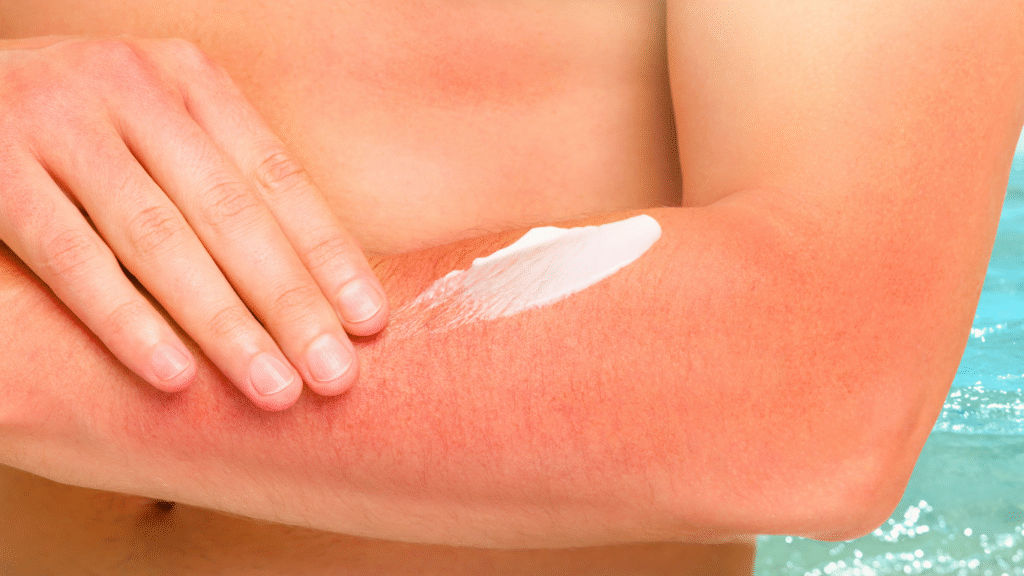
Layering order matters because each product is designed to perform a specific function. Moisturizers hydrate and lock in water, while sunscreens create a barrier to UV radiation. If you apply sunscreen before moisturizer, the moisturizer might disrupt the sunscreen’s film-forming agents, reducing protection. Conversely, applying sunscreen after moisturizer ensures the protective film sits atop a hydrated surface, maximizing both hydration and UV defense. Dermatologists emphasize that consistent layering is more important than chasing a miracle product. Learn more about skin biology and barrier function from the Mayo Clinic’s skincare guidance at Mayo Clinic Sunscreen Guide.
Step-by-step daily routine for sun protection
- Cleanse your skin with a gentle cleanser suited to your skin type.
- Apply a hydrating toner or essence if you use one, then wait 15–30 seconds.
- Moisturize with a formula appropriate for your skin type (gel for oily, cream for dry).
- Wait 1–2 minutes to allow the moisturizer to set without pilling.
- Apply broad-spectrum sunscreen with SPF 30 or higher in a generous, even layer. Reapply every 2 hours outdoors or after swimming or sweating.
- If wearing makeup, allow sunscreen to set for 2–3 minutes before applying foundation or powder.
In daily practice, a well-chosen sunscreen respects both protection and finish. If you wear makeup, look for a primer with SPF or opt for a sunscreen with a sheer tint that blends with your skin tone. For hydration and layering tips, see this free resource on skincare routines on Smile Pharmacy Blog.
Special cases and tips for different skin types
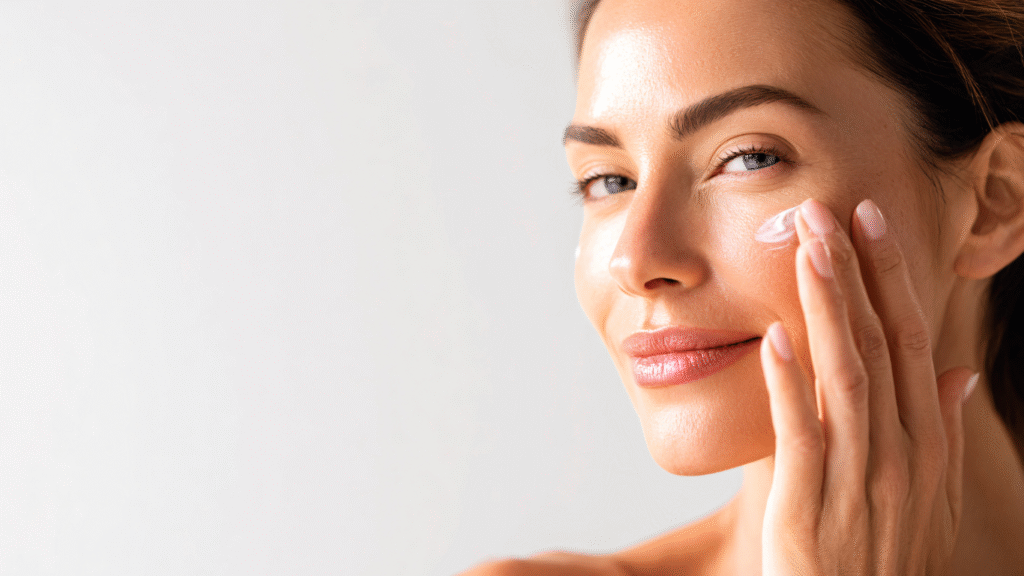
People with sensitive or reactive skin may prefer fragrance-free moisturizers and sunscreens. If you wear makeup with SPF, ensure the sunscreen beneath is fully absorbed to avoid creasing. For very oily skin, consider a gel moisturizer and a matte finish sunscreen. Those with dry skin may benefit from a richer moisturizer and a mineral sunscreen to counterbalance any white cast while maintaining skin hydration. Always patch-test new products and consult a dermatologist if you notice irritation. You can explore guidance on sensitive skin from the National Library of Medicine at MedlinePlus Skin Care.
Practical comparisons: tables to guide your choices
| Product Type | Role | Best For | Typical Wait |
|---|---|---|---|
| Moisturizer | Hydration, barrier support | Dry or dehydrated skin | 2–-minute wait before sunscreen |
| Sunscreen | UV protection | All skin types | Apply after moisturizer; reapply every 2 hours outdoors |
| Makeup with SPF | Cosmetic protection | Light coverage days | Let sunscreen set 2–3 minutes before makeup |
| SPF Level | Protection | Ideal For |
|---|---|---|
| SPF 15–29 | Moderate protection | Cedent daily exposure with minimal sun risk |
| SPF 30–50 | High protection | Beach, hiking, prolonged outdoor activity |
| ≥ SPF 50 | Very high protection | Fair-skinned, children, or high UV regions |
| Moisturizer Type | Best Use | Notes |
|---|---|---|
| Gel | Oily or normal skin | Lightweight, quick-absorbing |
| Cream | Dry or very dry skin | Better hydration, may feel heavier |
| Oil-in-water emulsion | Normal skin with hydration | Balanced feel |
These tables help you compare practical choices, but always consider your unique skin needs. For deeper product recommendations, you can browse our in-depth reviews on Smile Pharmacy Blog or explore the main site at smilerxnj.com.
Q&A: People Also Ask about moisturizer and sunscreen layering
Q1: How long should I wait after applying moisturizer before sunscreen?
A1: In most cases, 1–2 minutes is sufficient for most moisturizers to set. If your moisturizer is heavy or contains occlusives like petrolatum, give it closer to 2 minutes to avoid pilling and ensure the sunscreen can form a uniform protective film. If you are in a humid climate or have very oily skin, you might observe that a shorter wait works for you, but always test to avoid white residue or uneven coverage. For guidance from dermatology professionals, see the American Academy of Dermatology’s sunscreen tips at AAD Sunscreen Tips.
Q2: Can I wear sunscreen over makeup or under makeup?
A2: It is best to apply sunscreen first, wait a couple of minutes, then apply makeup. If you prefer makeup with SPF, you still should apply sunscreen underneath for consistent protection. When layering, use a lightweight sunscreen and allow it to dry fully before applying makeup to avoid pilling. For makeup plus sunscreen strategies, refer to credible resources like Mayo Clinic’s sunscreen guide at Mayo Clinic.
Q3: What if my moisturizer has sunscreen in it?
A3: If your moisturizer contains sunscreen with a reliable SPF, you may skip applying an additional sunscreen if you are staying indoors and have minimal sun exposure. However, for extended outdoor activity, layering with a dedicated sunscreen provides stronger protection. Always check the product’s SPF rating and ensure it remains broad-spectrum. The Skin Cancer Foundation discusses sunscreen basics at Skin Cancer Foundation Sunscreen.
Q4: Do I need sunscreen if I wear a moisturizer with sunscreen?
A4: If the moisturizer already includes SPF, you can still benefit from additional coverage via sunscreen, especially if you’ll be outdoors longer. A separate sunscreen ensures adequate UVA/UVB coverage and reduces the risk of gaps in protection that may occur with moisturizers alone. For official guidance, see FDA sunscreen labeling resources at FDA Sunscreen 101.
Q5: How does this change with makeup or color-correcting products?
A5: When wearing makeup, select a sunscreen with a sheer finish or a primer with SPF to avoid layering conflicts. Allow the sunscreen to dry before applying makeup, typically 2–3 minutes. If you use color-correcting products or heavy foundation, consider a lightweight sunscreen to minimize caking and ensure even pigment distribution. For more strategies, consult the American Academy of Dermatology’s layering guidance linked above.
Q6: Are there differences between chemical and mineral sunscreens for layering?
A6: Yes. Chemical sunscreens absorb UV radiation and may feel lighter, while mineral (physical) sunscreens sit on the surface and can provide a more matte finish. Layering remains the same: moisturizer first, then sunscreen, then makeup if desired. If you have sensitive skin, mineral sunscreens often cause fewer irritations. See MedlinePlus for comprehensive sunscreen information at MedlinePlus Sunscreen.
Q7: How often should I reapply sunscreen if I sweat or swim?
A7: Reapply every two hours when outdoors, and immediately after swimming, towel-drying, or heavy sweating. Reapplication rules are independent of moisturizer; you simply refresh the UV barrier. Always carry a travel-size sunscreen with you for touch-ups on the go. The CDC and dermatology sources emphasize consistent protection for outdoor activities, with practical reminders in many reputable resources.
Integrating internal and external resources
For readers seeking further authoritative guidance, we reference external sources such as the American Academy of Dermatology, FDA, Mayo Clinic, MedlinePlus, and Skin Cancer Foundation. Internal links provide convenient access to our own blog postings and product recommendations. See our blog for reviews and routines, or explore the main site at smilerxnj.com for skincare shopping and tips.
Author and CTA
Thank you for reading this practical guide. If you want to optimize your skincare routine further, subscribe to our newsletter or visit Smile Pharmacy to explore products designed for layering and protection. We invite you to read more on our official pages and blog for evidence-based guidance and community tips. For inquiries, contact our team at info@plainfieldrx.com or call +1 908 756 3232. For store-related questions, visit Smile Pharmacy at smilerxnj.com.
Internal links and calls to action
Explore more on our blog: https://smilerxnj.com/blog/ and shop at https://smilerxnj.com. For a deeper dive, see our comparison guides and practical routines that help you maintain hydration and protection throughout the day. CTA: Ready to upgrade your routine? Shop now or learn more today.